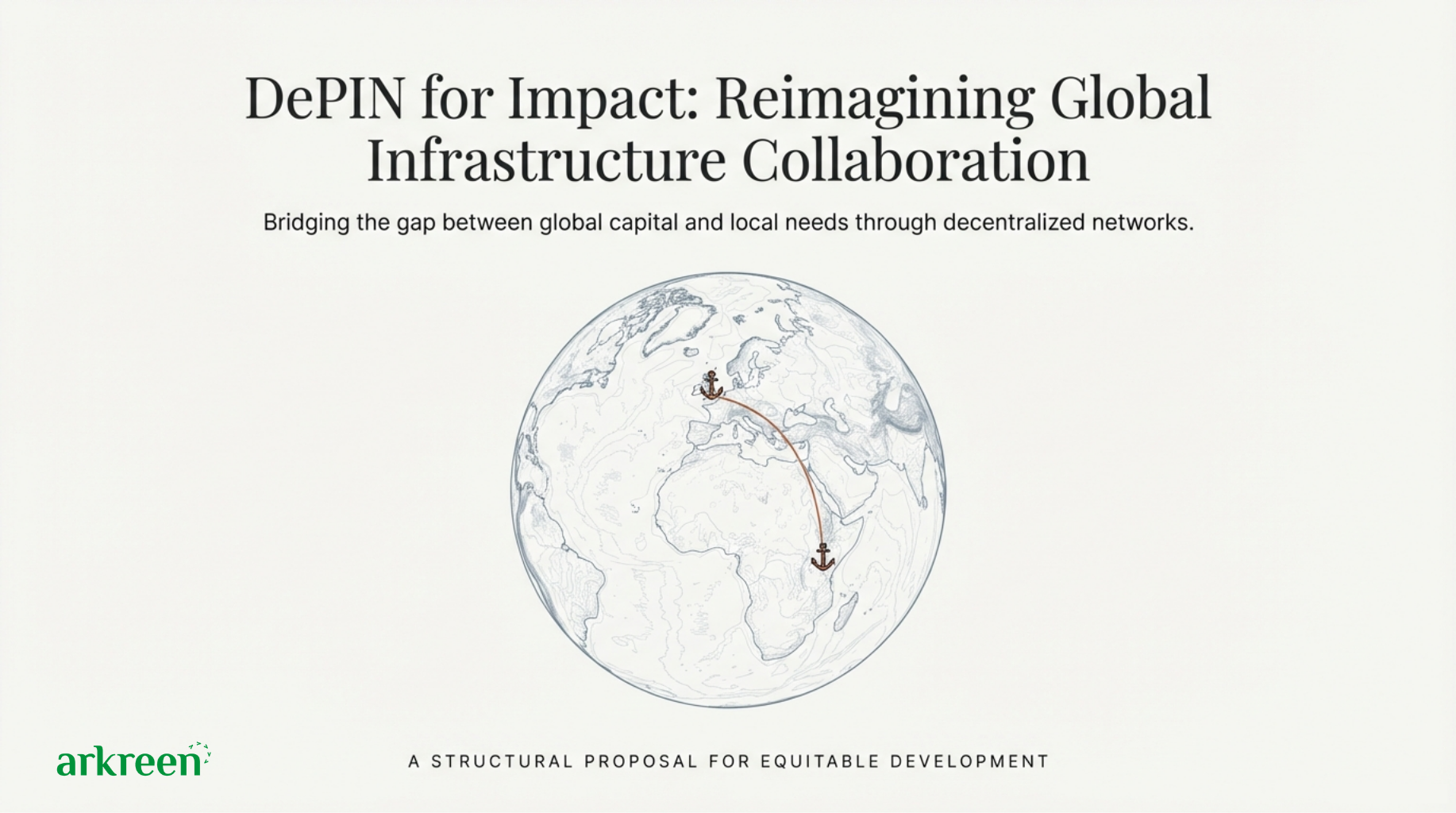
DePIN for Impact: Reimagining How Global Public Infrastructure Is Built Together

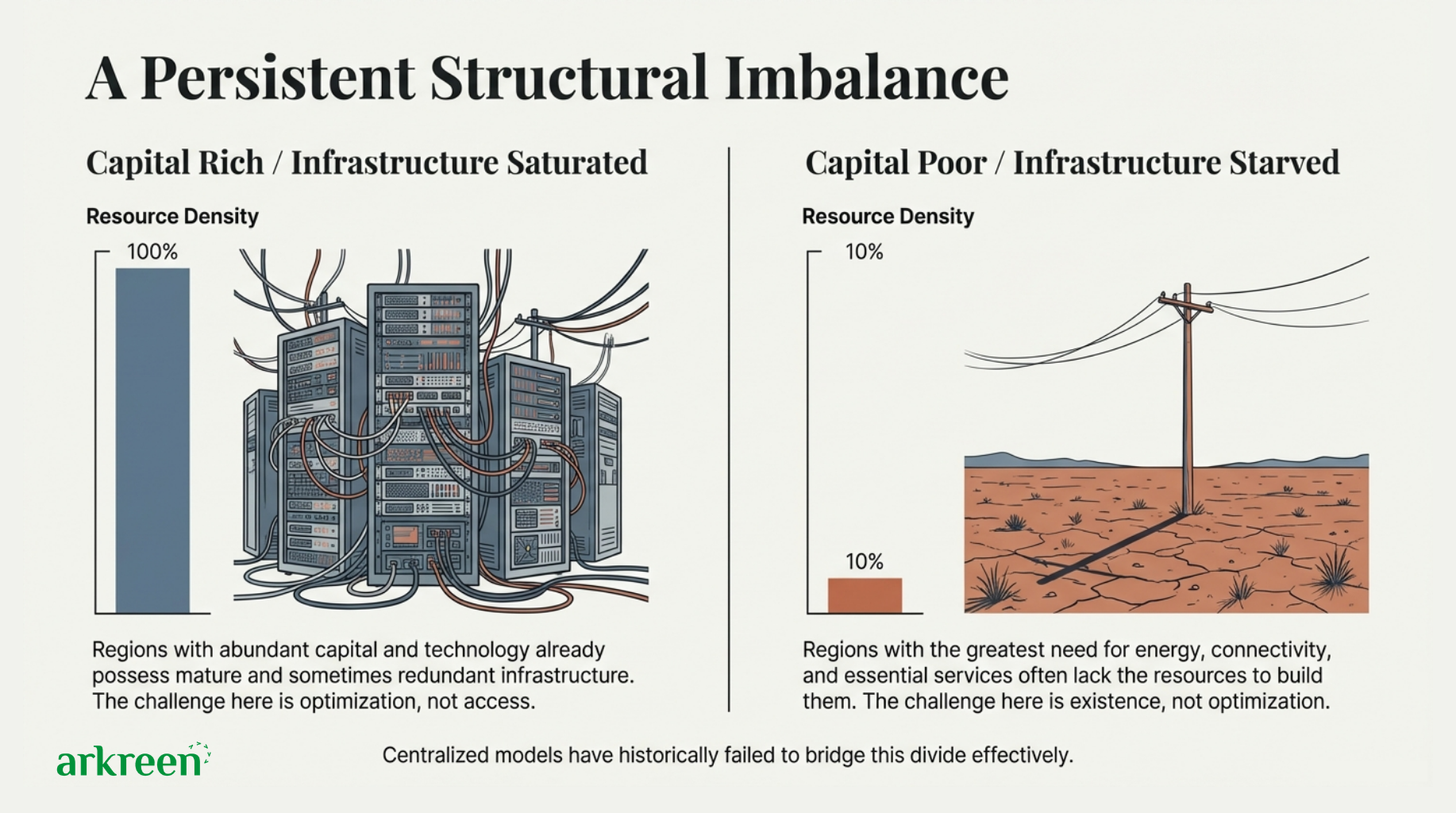
Across the world, the development of basic infrastructure faces a persistent structural imbalance:
Regions with the greatest need for energy, connectivity, and essential services often lack the resources to build them, while regions with abundant capital and technology already possess mature and sometimes redundant infrastructure.
Decentralized Physical Infrastructure Networks (DePIN) introduce a powerful new paradigm. By enabling communities to deploy hardware, operate networks, and share value in a decentralized manner, DePIN challenges the traditional, centralized model of infrastructure development.
Yet in real-world deployment, DePIN has encountered a fundamental limitation:
a geographic and economic mismatch between supply and demand.
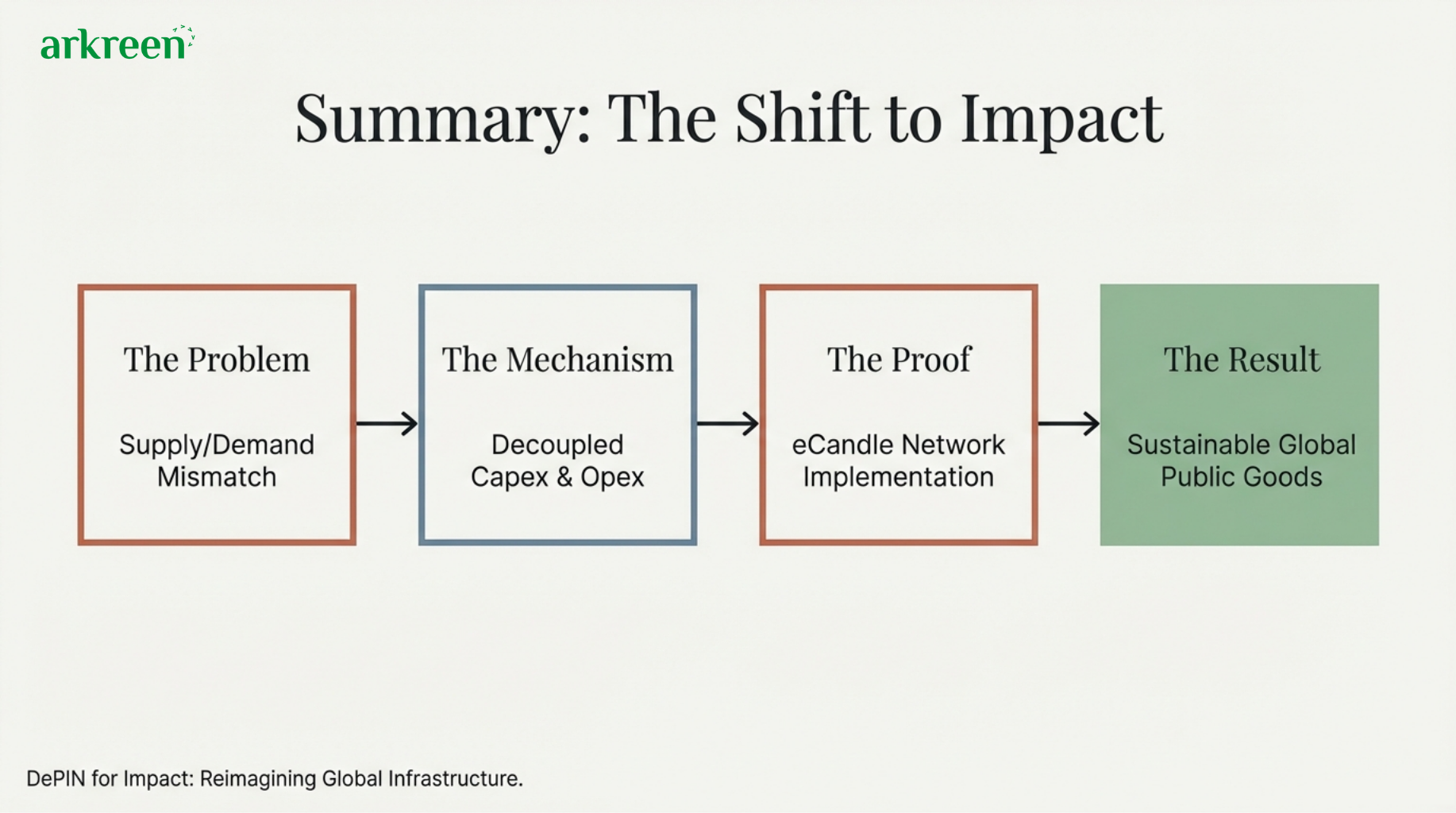
DePIN for Impact emerges as a response to this challenge—an approach designed to align global resources with real-world infrastructure needs where they matter most.
From Decentralized Infrastructure to Impact-Driven Infrastructure
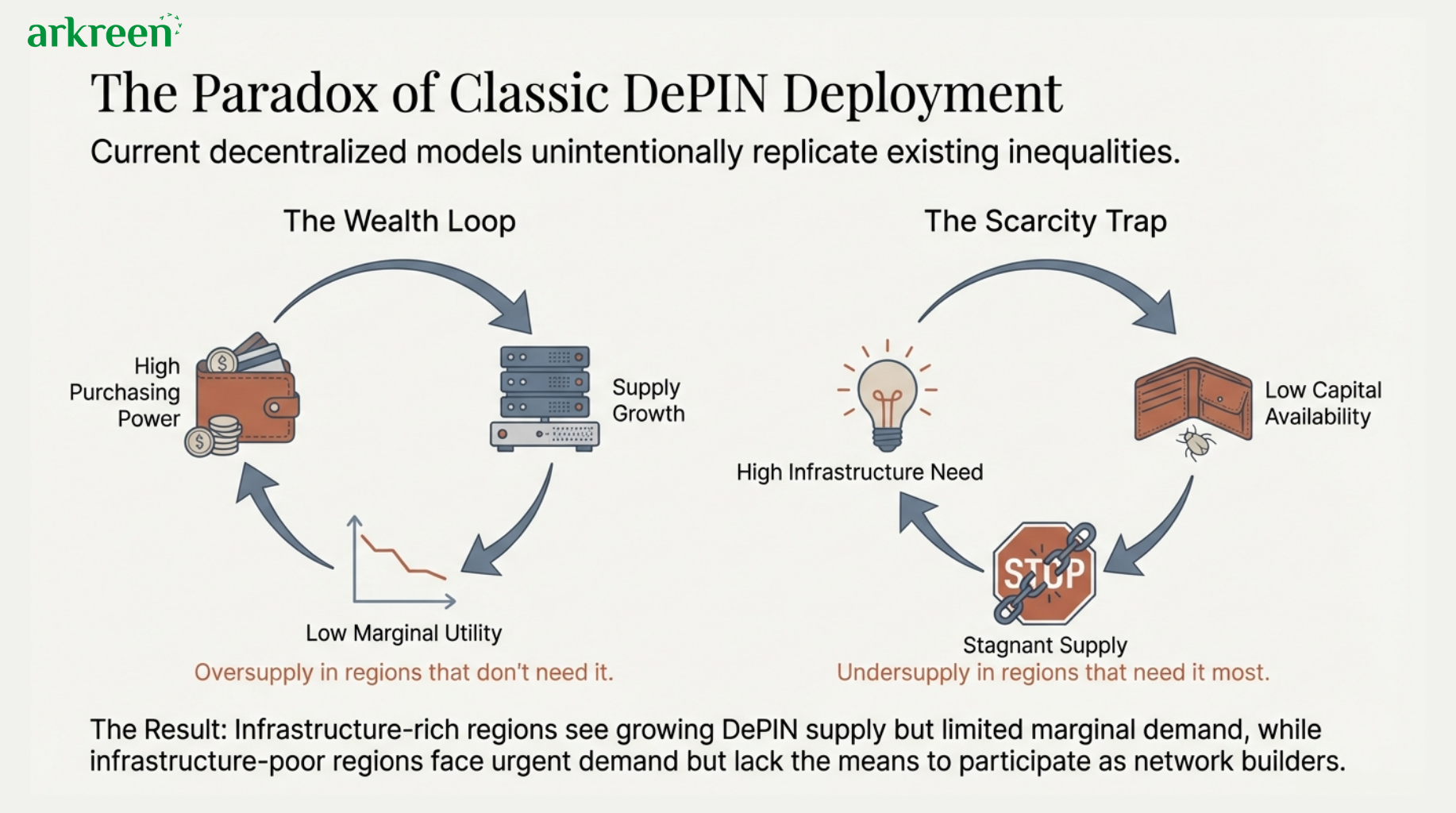
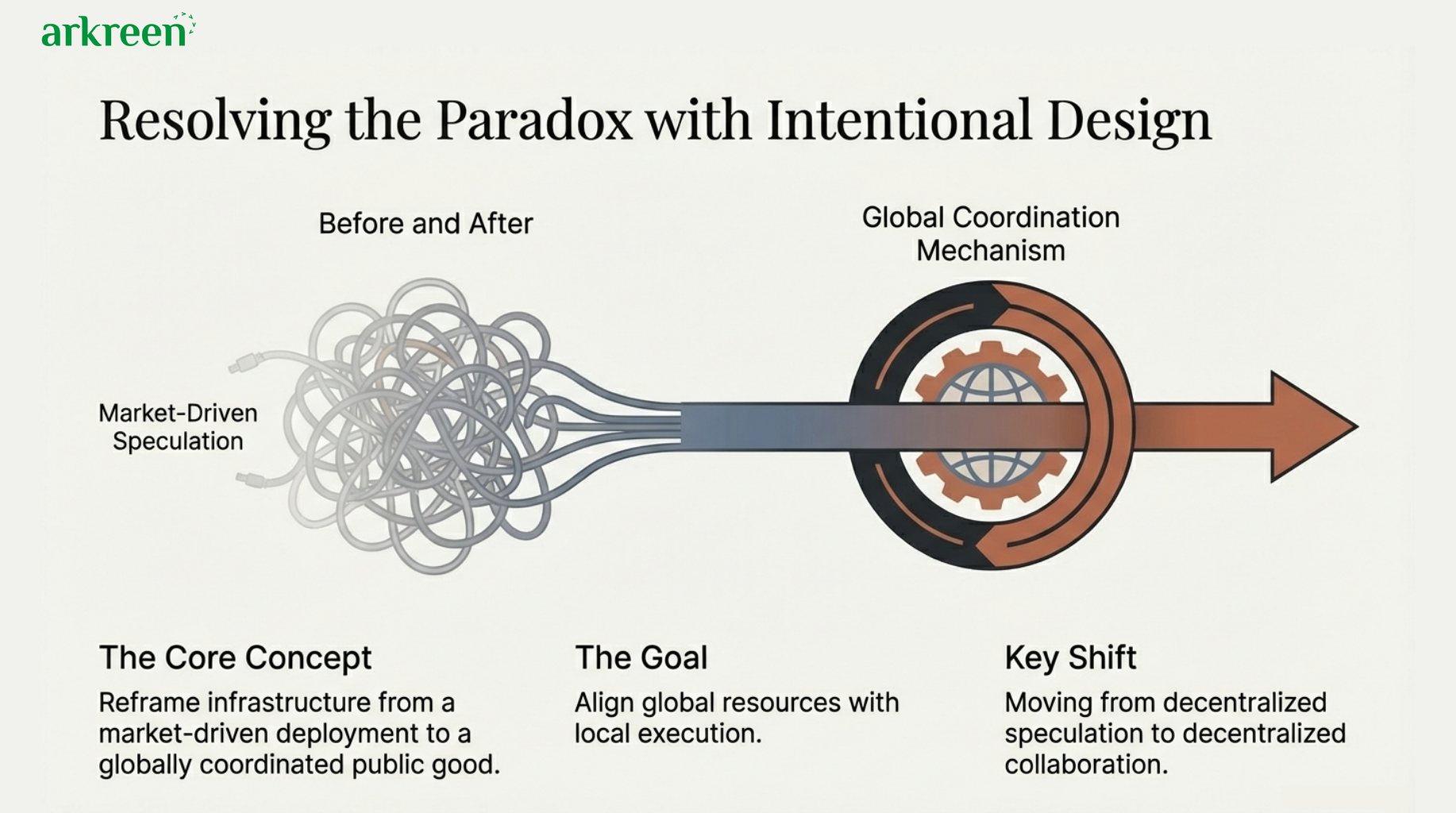
Classic DePIN models rely on community members purchasing and installing hardware to collectively form networks. This approach scales effectively in regions with strong purchasing power, but struggles in areas where infrastructure demand is high and capital availability is limited.The result is a paradox:
- Infrastructure-rich regions see growing DePIN supply but limited marginal demand.
- Infrastructure-poor regions face urgent demand but lack the means to participate as network builders.
DePIN for Impact is designed to resolve this paradox.
Rather than treating infrastructure as a purely market-driven deployment, it reframes infrastructure as a globally coordinated public good—built through decentralized collaboration.
The Core Model of DePIN for Impact: Global Collaboration by Design
DePIN for Impact introduces a clear division of roles that enables cross-regional cooperation while preserving decentralization.
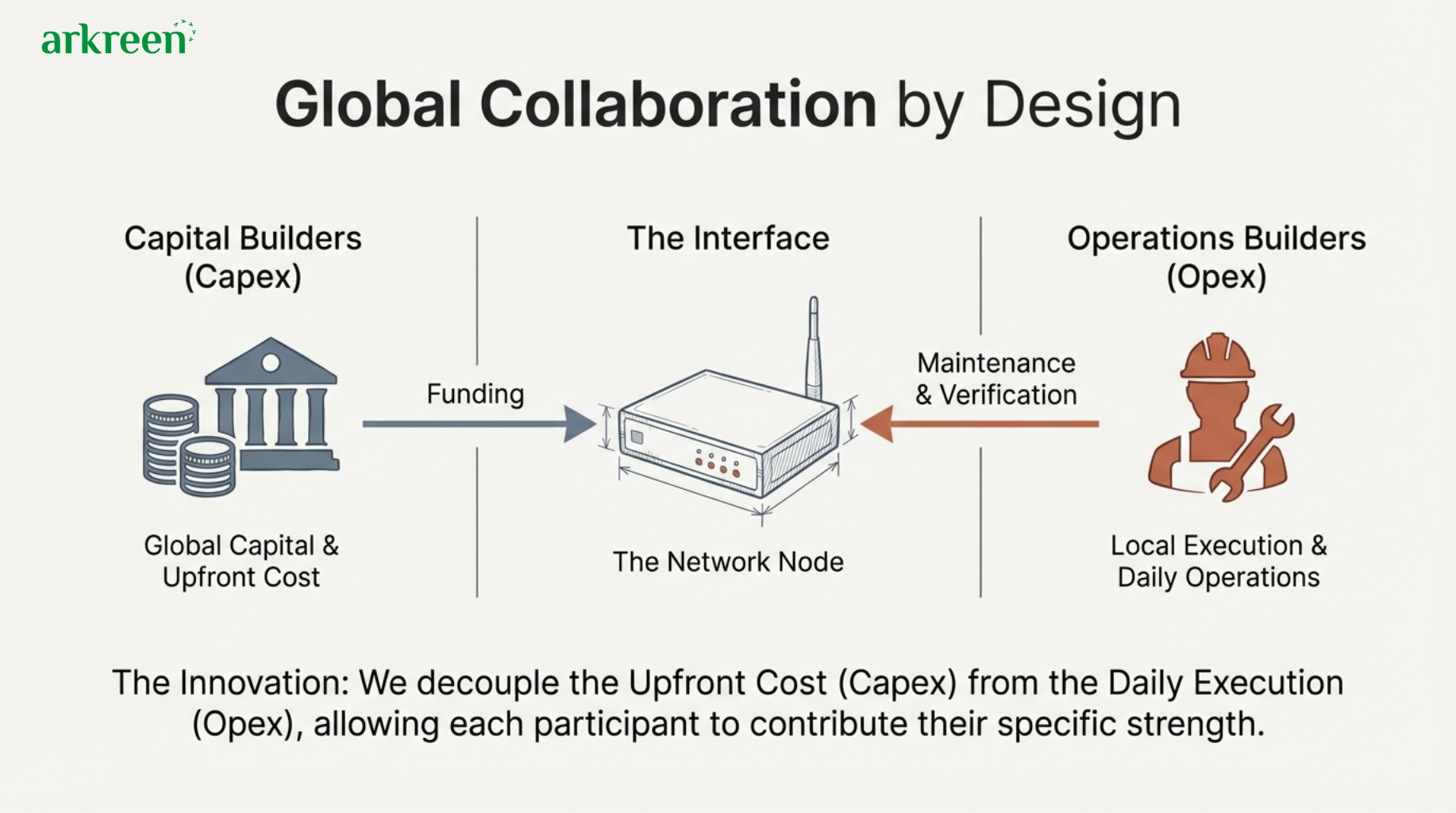
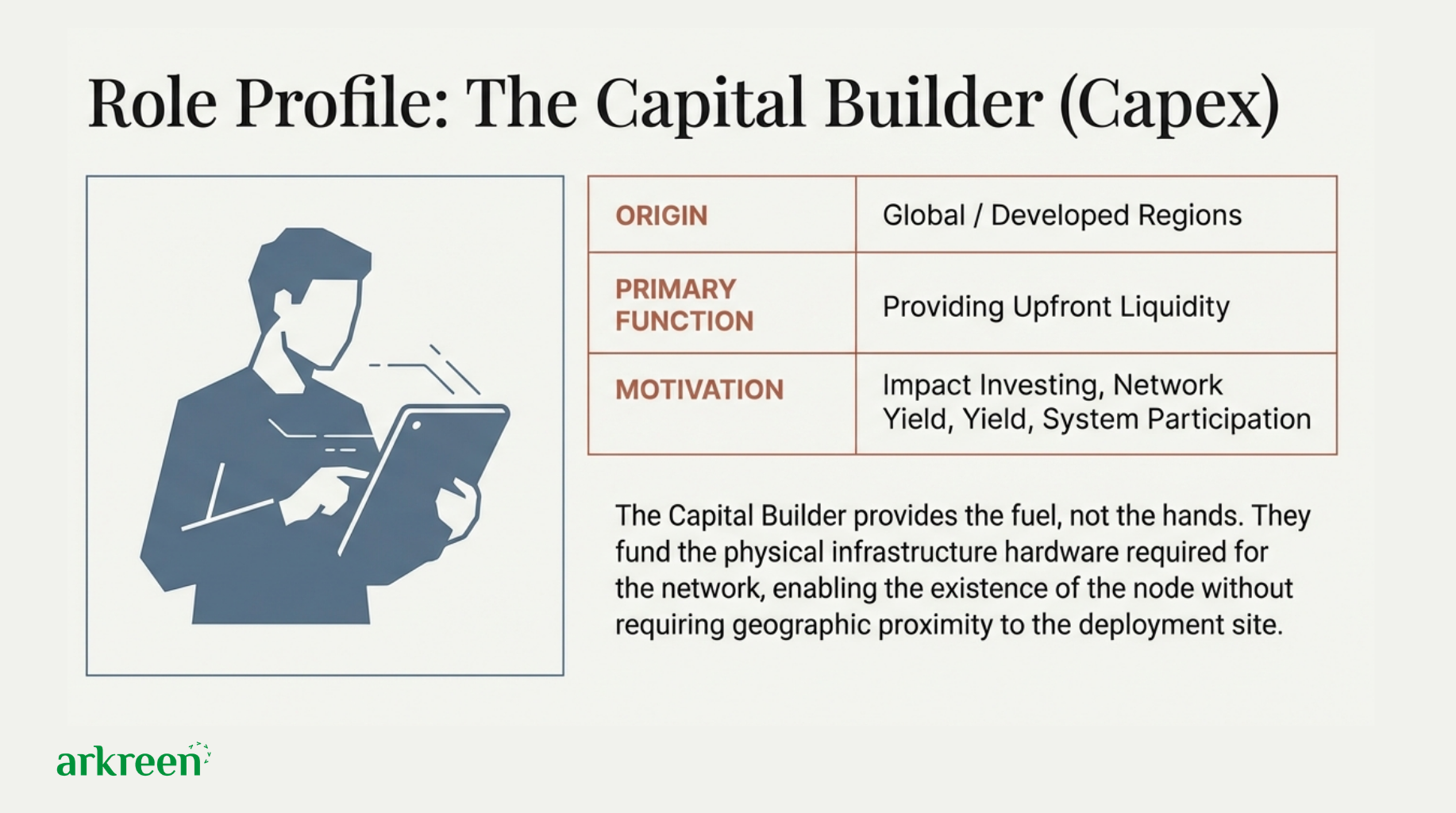
Capital Builders (Capex Builders)
Participants—often from developed regions—who provide the upfront capital required for physical infrastructure hardware.
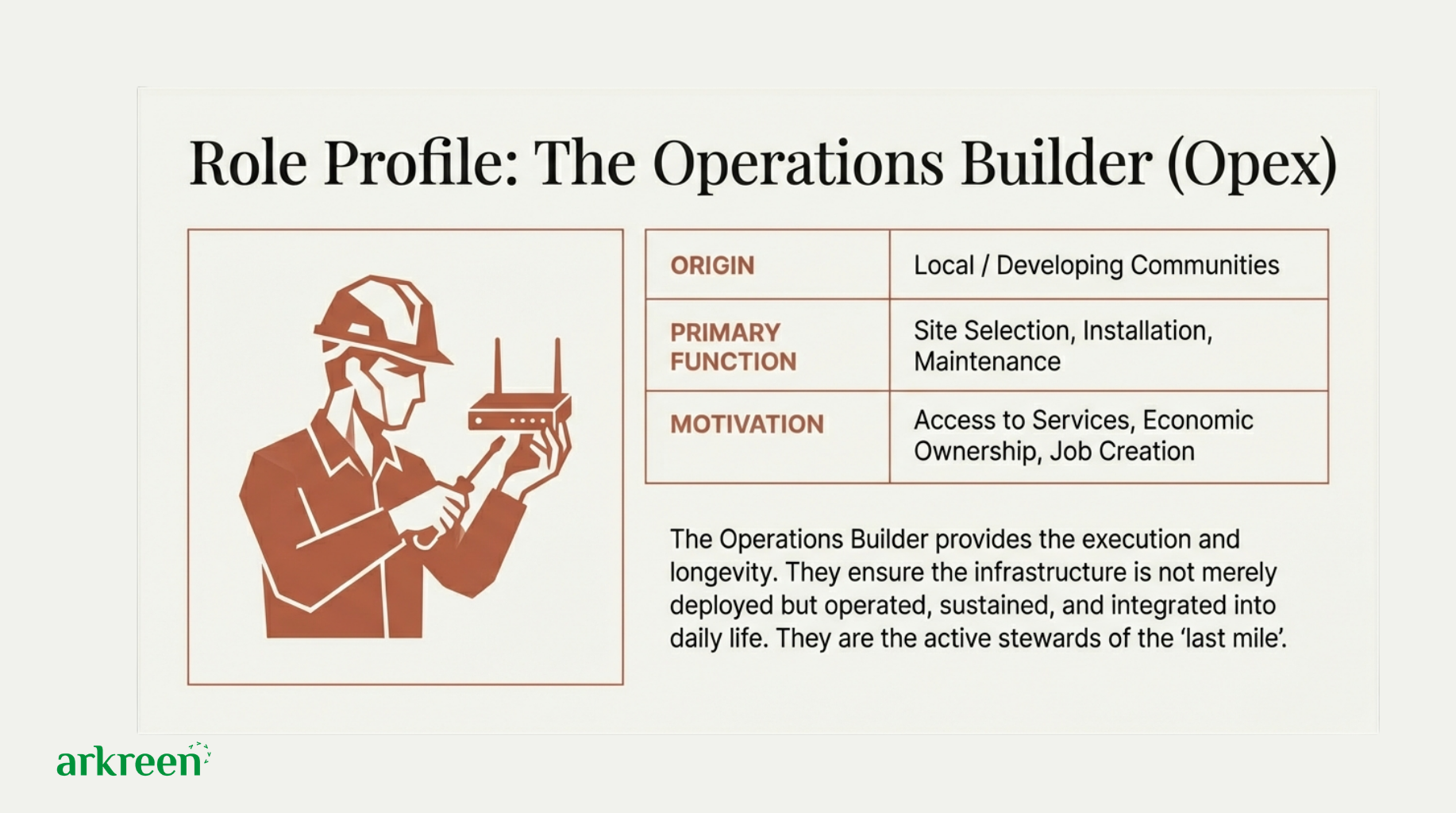
Operations Builders (Opex Builders)
Local community participants in developing regions who are responsible for site selection, installation, maintenance, and day-to-day operation.
In this model, hardware is no longer a standalone product.
It becomes a collaboration interface—connecting global capital with local execution and real demand.
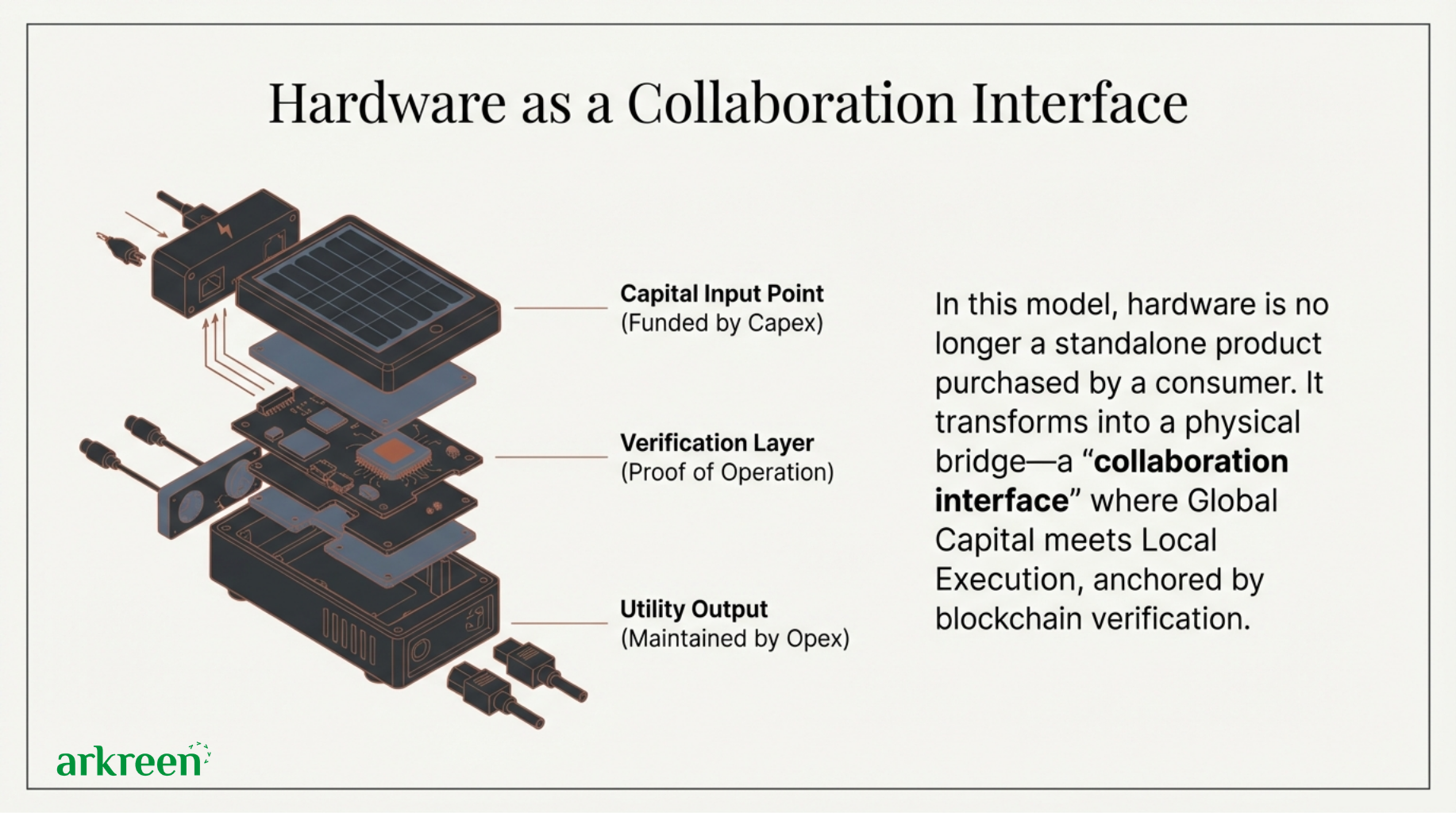
Infrastructure is not merely deployed; it is operated, sustained, and integrated into daily life.
eCandle: A Practical Example of DePIN for Impact
In many regions across Africa and Latin America, energy scarcity is not an abstract metric—it directly affects safety, education, productivity, and quality of life.
eCandle represents a tangible implementation of the DePIN for Impact model.
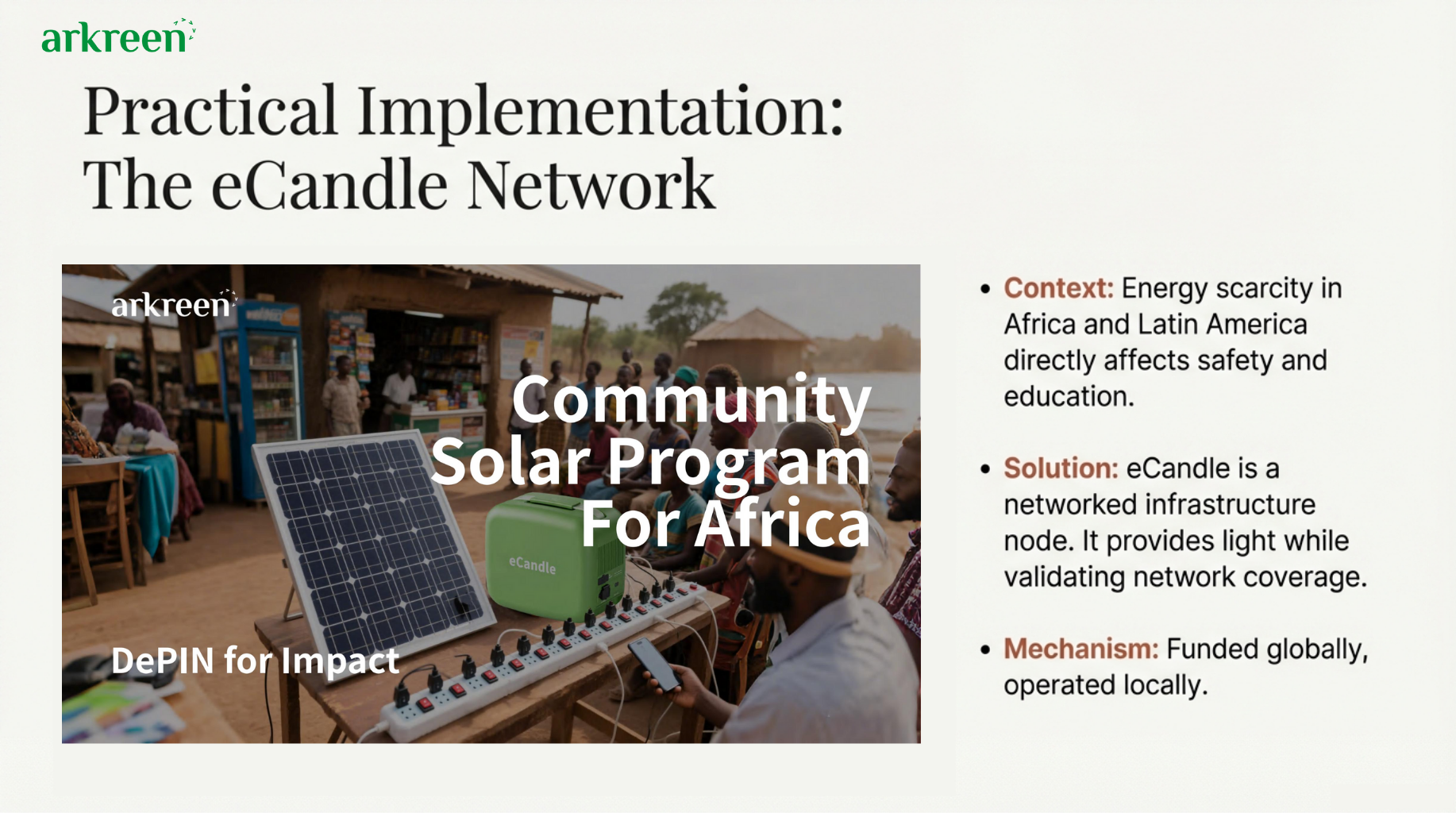
More than an energy device, eCandle functions as a networked infrastructure node:
- It addresses a high-frequency, real-world local need.
- It can be deployed and maintained by local communities.
- Its usage and contribution are measurable and verifiable.
- It operates as part of a broader decentralized infrastructure network.
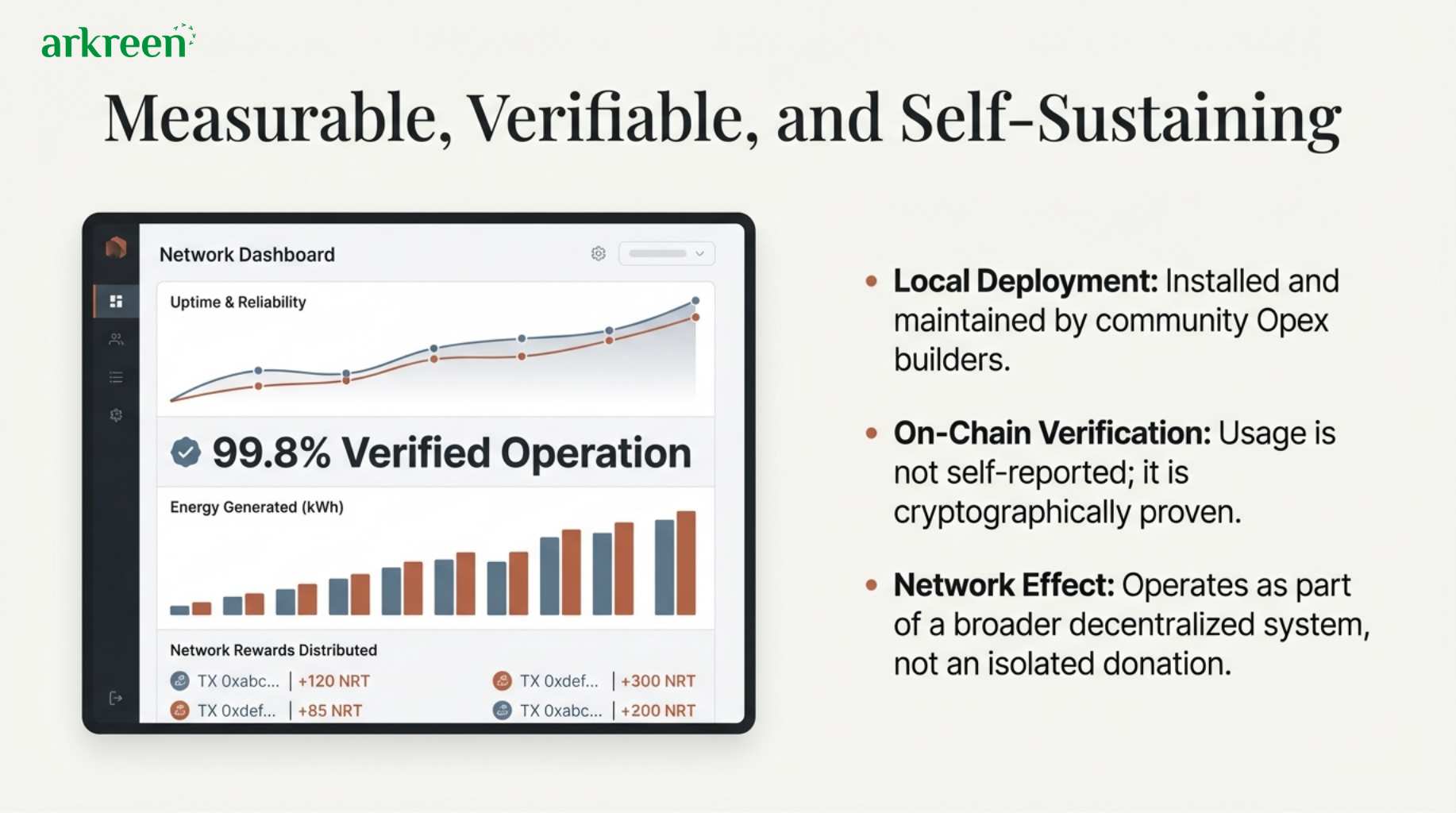
Within this framework, infrastructure is no longer dependent on one-time aid or donations. Instead, it becomes self-sustaining through continuous operation and participation.
From Aid-Based Thinking to Collaborative Infrastructure
DePIN for Impact represents a fundamental shift in how infrastructure development is framed.
Traditional models often position developing regions as passive recipients of aid.
DePIN for Impact treats local communities as co-builders and long-term operators of infrastructure networks.
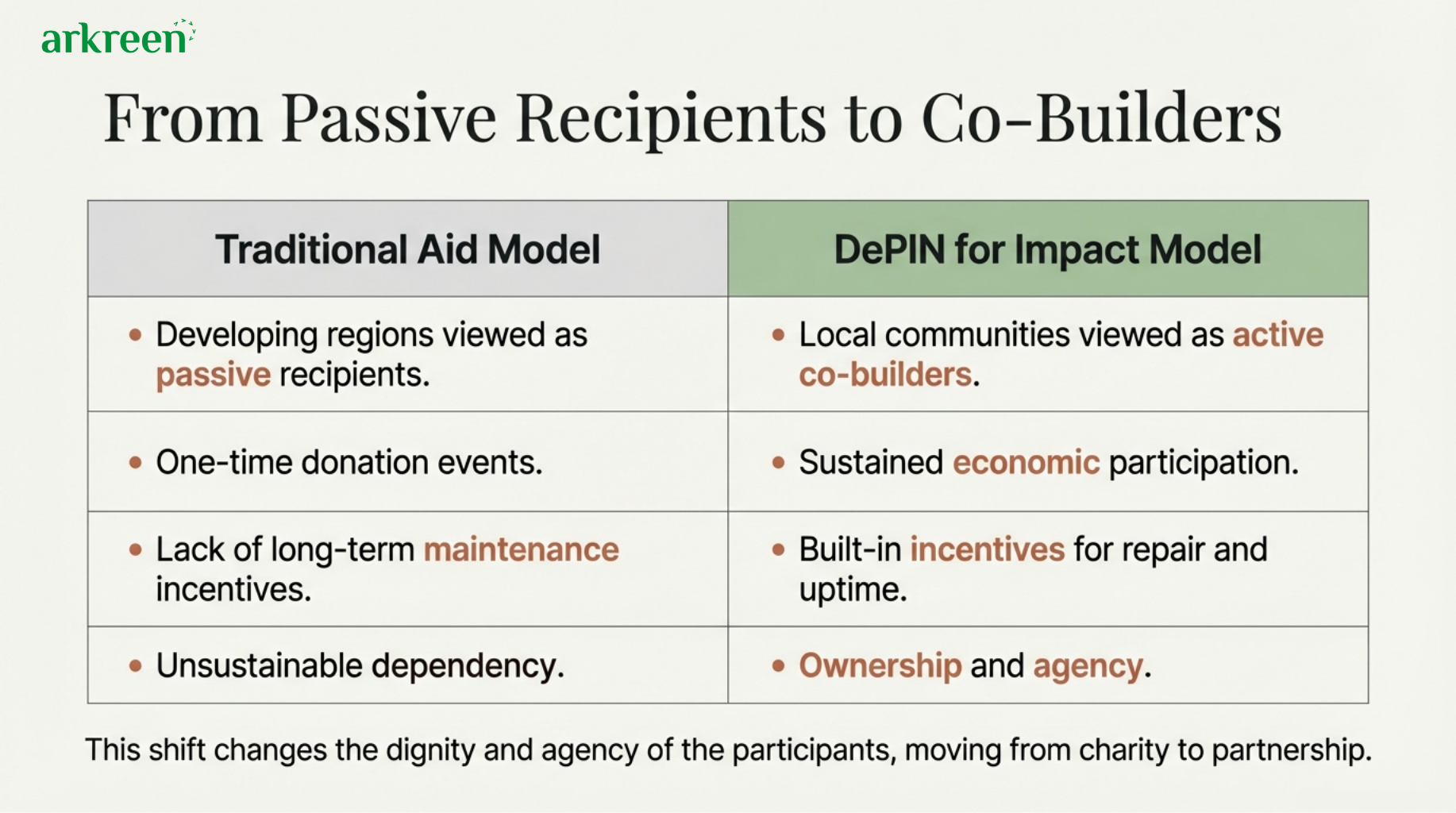
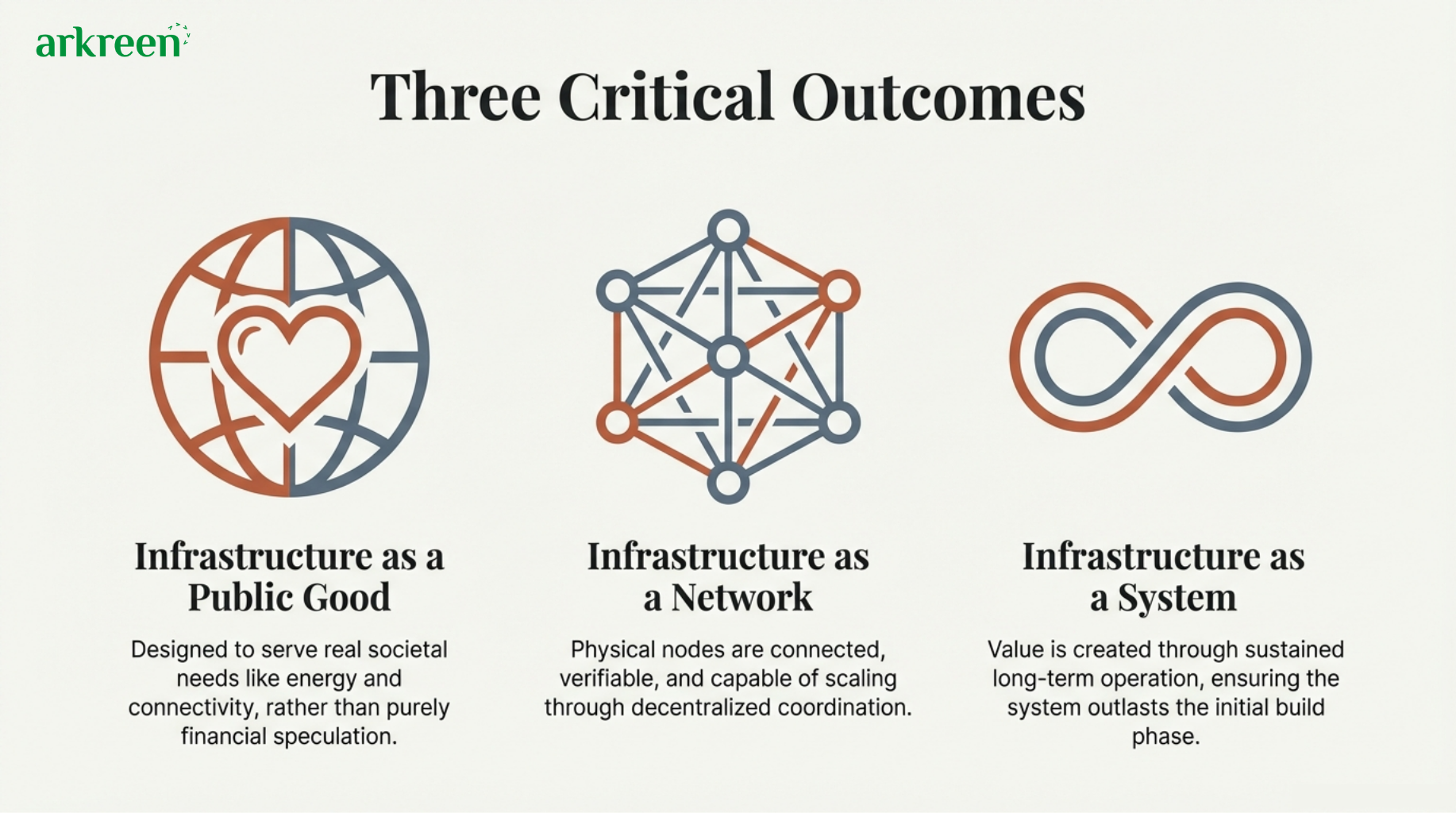
This shift creates three critical outcomes:
- Infrastructure as a Public Good
Designed to serve real societal needs—energy, connectivity, and access—rather than purely financial optimization. - Infrastructure as a Network
Physical nodes are connected, verifiable, and capable of scaling through decentralized coordination. - Infrastructure as a Long-Term System
Value is created through sustained operation, not one-time deployment.
Projects like eCandle illustrate how this transition can work in practice.
The Broader Significance of DePIN for Impact
DePIN for Impact is not about exporting DePIN into developing regions—it is about rethinking how global infrastructure is produced.
It enables:
- Global capital to participate in real-world public systems with long-term impact.
- Local communities to gain ownership, agency, and economic participation.
- Infrastructure to evolve through decentralized, transparent, and scalable collaboration.
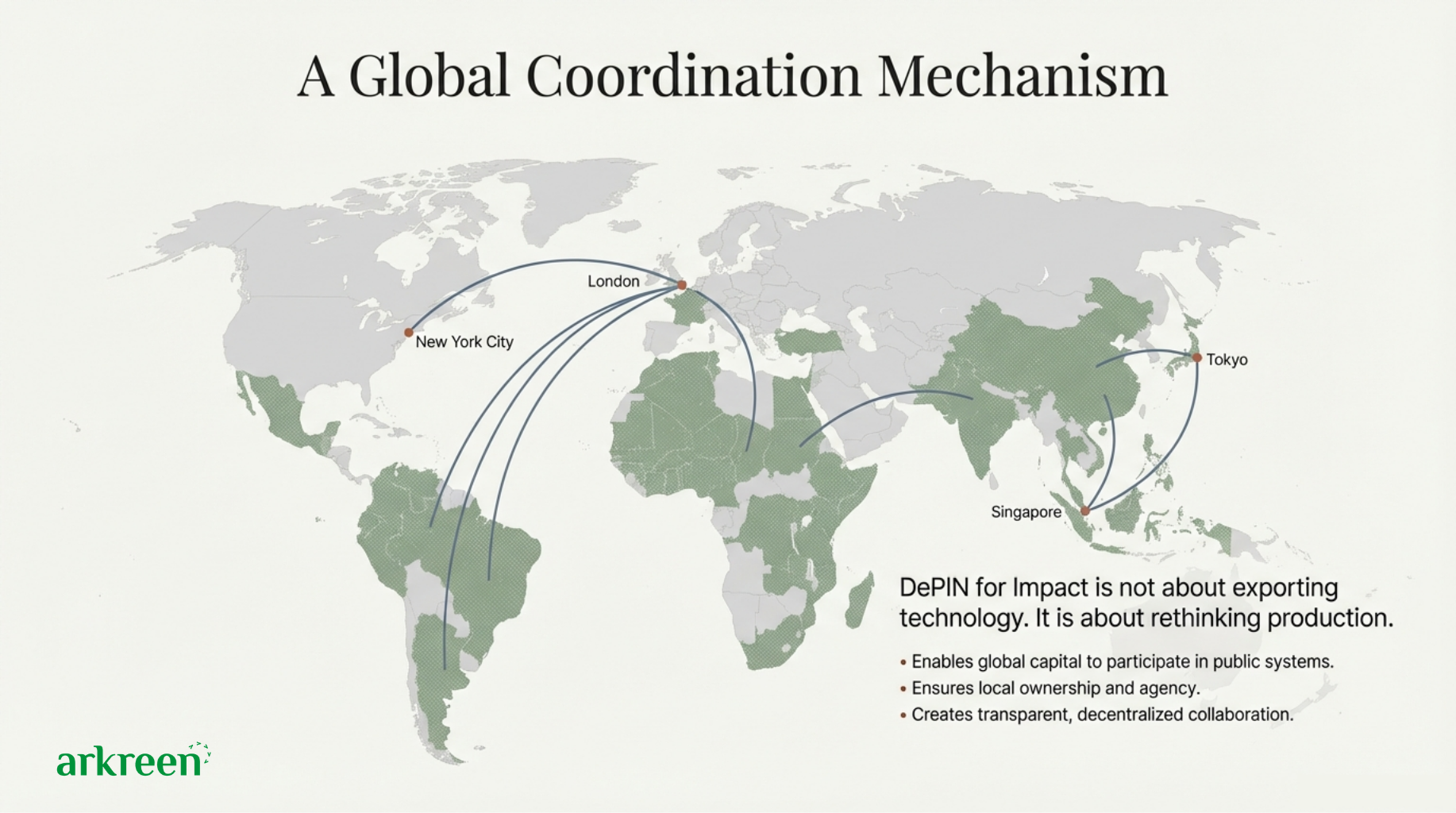
As more infrastructure nodes like eCandle are deployed and connected, DePIN moves beyond being a technical architecture.
It becomes a global coordination mechanism for equitable infrastructure development.
Infrastructure is not simply built.
It is collectively operated, maintained, and expanded.
That is the vision—and the promise—of DePIN for Impact.